Creative musicianship lessons in London
One-to-one music theory, ear training and improvisation: the connective tissue that makes you a better musician on every instrument.
Knowing why a song works isn't just theory, it's the common language that lets you communicate instantly with other musicians, making playing together easier, faster, and a lot more fun. Our creative musicianship lessons in London cover the theory, the ear training and the practical musicianship skills that turn instrument-players into musicians. They're particularly good for grade-exam candidates, multi-instrumentalists, songwriters, and anyone looking to take their playing to the next level. Studios are in Islington, four minutes from Highbury & Islington station.
What you'll learn
Music theory
- The basics: notation, key signatures, time signatures, intervals, scales
- Harmony: chords, chord progressions, voice leading, modulation
- Form: how songs and pieces are built
- Counterpoint and arranging: multiple parts working together
- Theory for grade exams: Trinity, ABRSM, Rockschool theory pathways
Ear training
- Interval recognition: hearing the gap between two notes and naming it
- Chord recognition: major, minor, dominant, diminished, extensions
- Melodic dictation: hearing a melody and writing it down
- Rhythmic dictation: same, for rhythms
- Transcription: taking a song off a recording and writing out what's happening
Practical musicianship
- Improvisation: over chord changes, in scales, in different keys
- Sight-reading: getting better at reading new music quickly
- Rhythmic skill: clapping, counting, internal time
- Reading lead sheets and chord charts
Who creative musicianship lessons are for
Grade-exam students
Trinity, ABRSM and Rockschool grade exams all have theory and aural components. We'll prep you for both, alongside or instead of your main instrument lessons.
Songwriters and producers
If you write songs but don't really know what you're doing harmonically, theory unlocks an enormous amount. You stop "stumbling onto" interesting chords and start choosing them on purpose.
Multi-instrumentalists
Theory is the one subject that pays off across every instrument you play. Time spent here saves time on every other instrument.
Adults catching up
Plenty of our adult students wish they'd done the theory part as a kid. It's never too late, and one-to-one is the fastest way to make up ground.
Music degree applicants
Conservatoire and university auditions almost always include a theory and aural component; we can prep you for what specific institutions test.
How lessons work
There's no fixed syllabus: every student arrives knowing different things and wanting different things. Your tutor will assess where you are in your first lesson and build a programme around your goals. Most students do a 50/50 split between theory work (worksheets, written exercises, analysis) and ear training (interval drills, chord recognition, dictation, transcription).
How to start
1. Book a musicianship taster
£49 for adults, £27 for under-12s. One 1-to-1 with the tutor who'd take you forward.
3. Get fluent
The reward of creative musicianship lessons is hard to overstate: you stop being lost in conversations with other musicians, you can transcribe what you hear, and your own playing gets much more deliberate.
Who teaches creative musicianship at Planet drum
Two specialist tutors lead creative musicianship lessons at Planet drum, both with deep musical backgrounds and different angles on the subject.
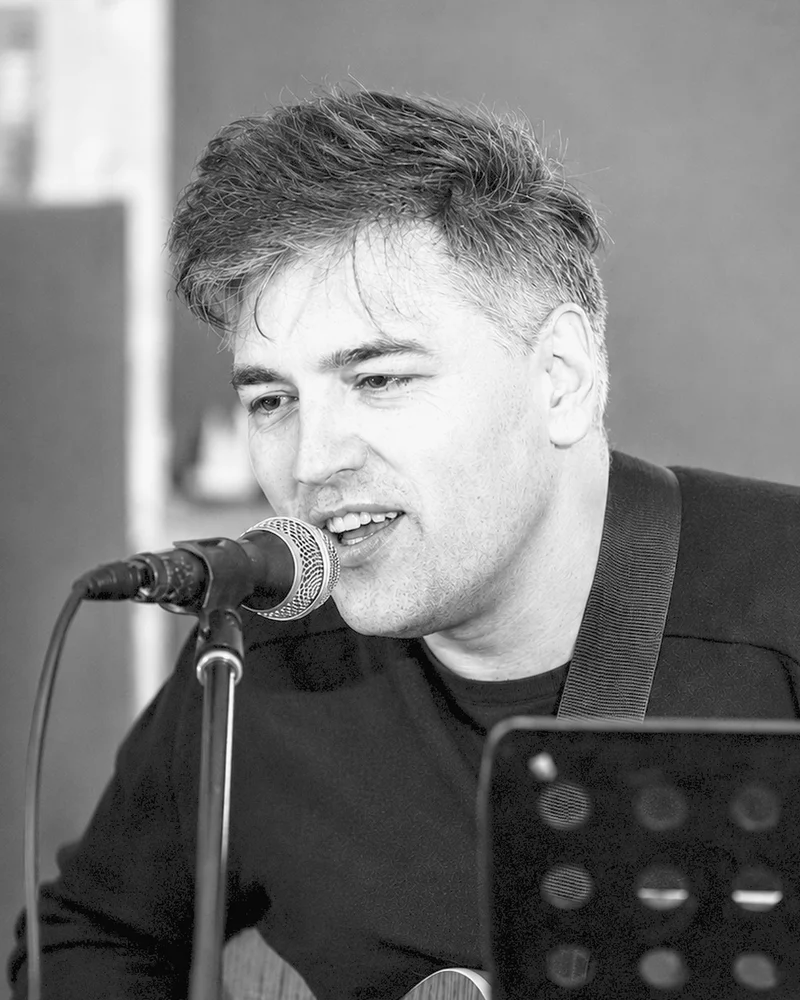
Vladimir Gilis (Creative musicianship: piano, guitar, bass)
Vladimir studied classical piano first before going on to graduate at a jazz guitar conservatory: a rare combination that gives him real depth in both notated and improvised traditions. His creative musicianship lessons combine harmony, ear training, theory and composition in a fluid, practical way. Especially good for students who want to connect music theory directly to writing, arranging or improvising on an instrument.
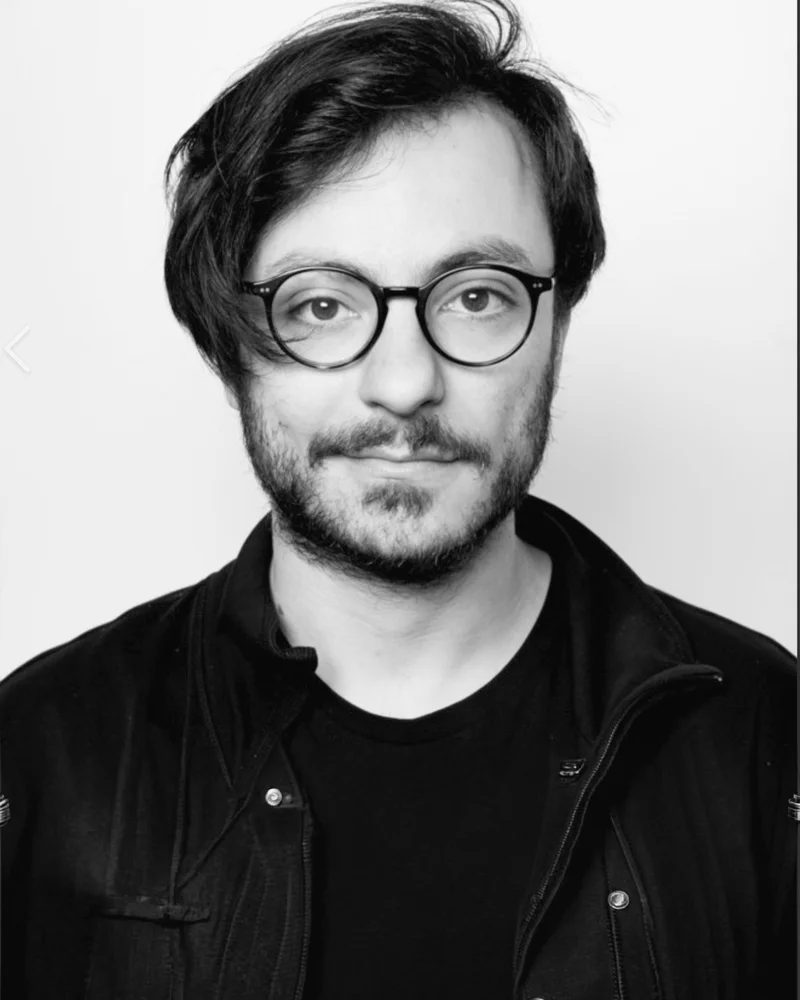
Antonio Celotto (Creative musicianship: guitar, composition)
Antonio is a multi-instrumentalist, composer and producer who joined Planet drum in 2019. He started classical guitar training at six, expanded into jazz, blues and rock, and has composed for a range of music projects including his own jazz/electronic fusion work. His creative musicianship teaching is especially strong for students interested in composition, arrangement, cross-genre exploration and developing their own musical identity.